
FAQ
Frequently Asked Questions
1. Planning and Timing
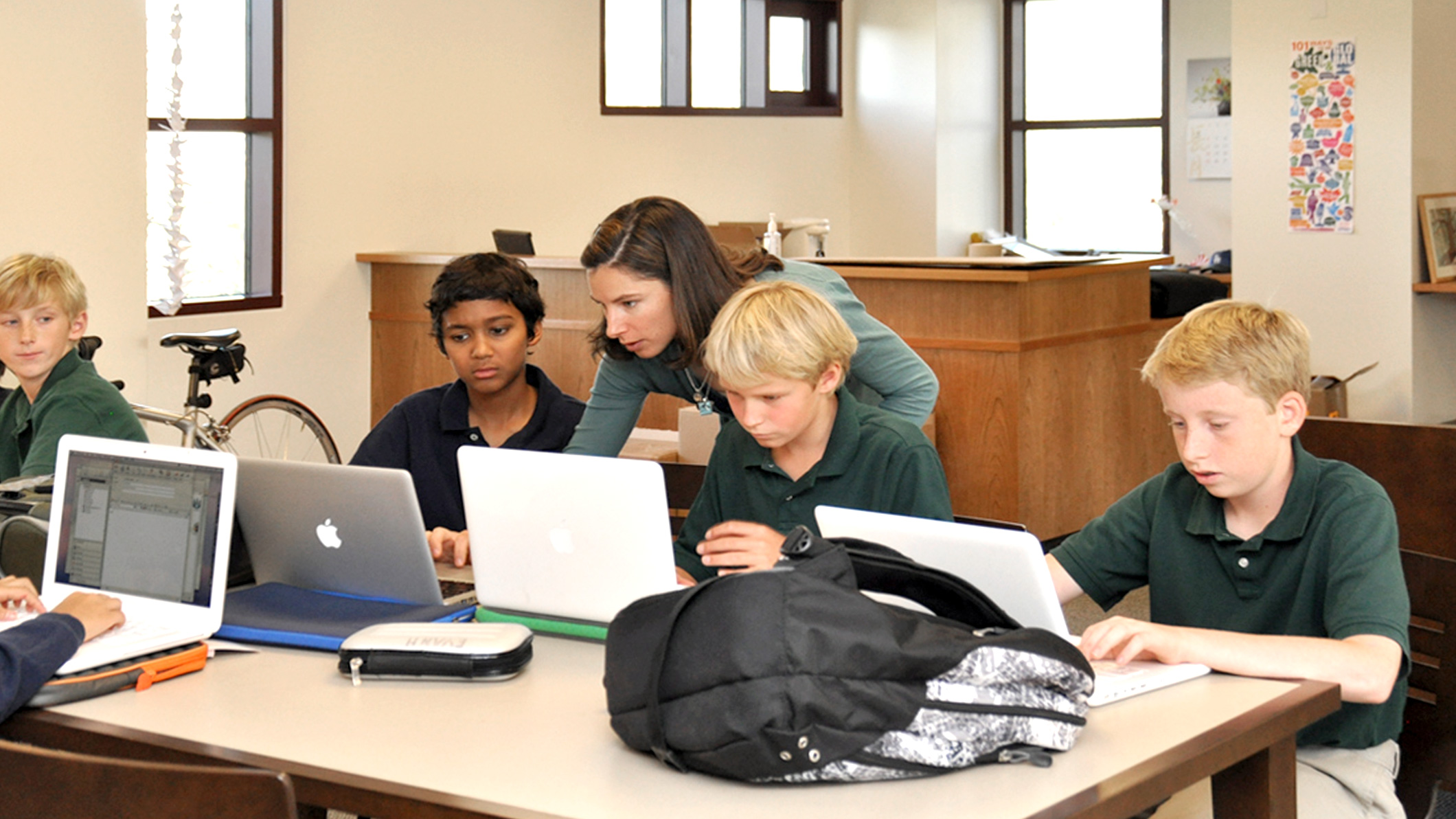
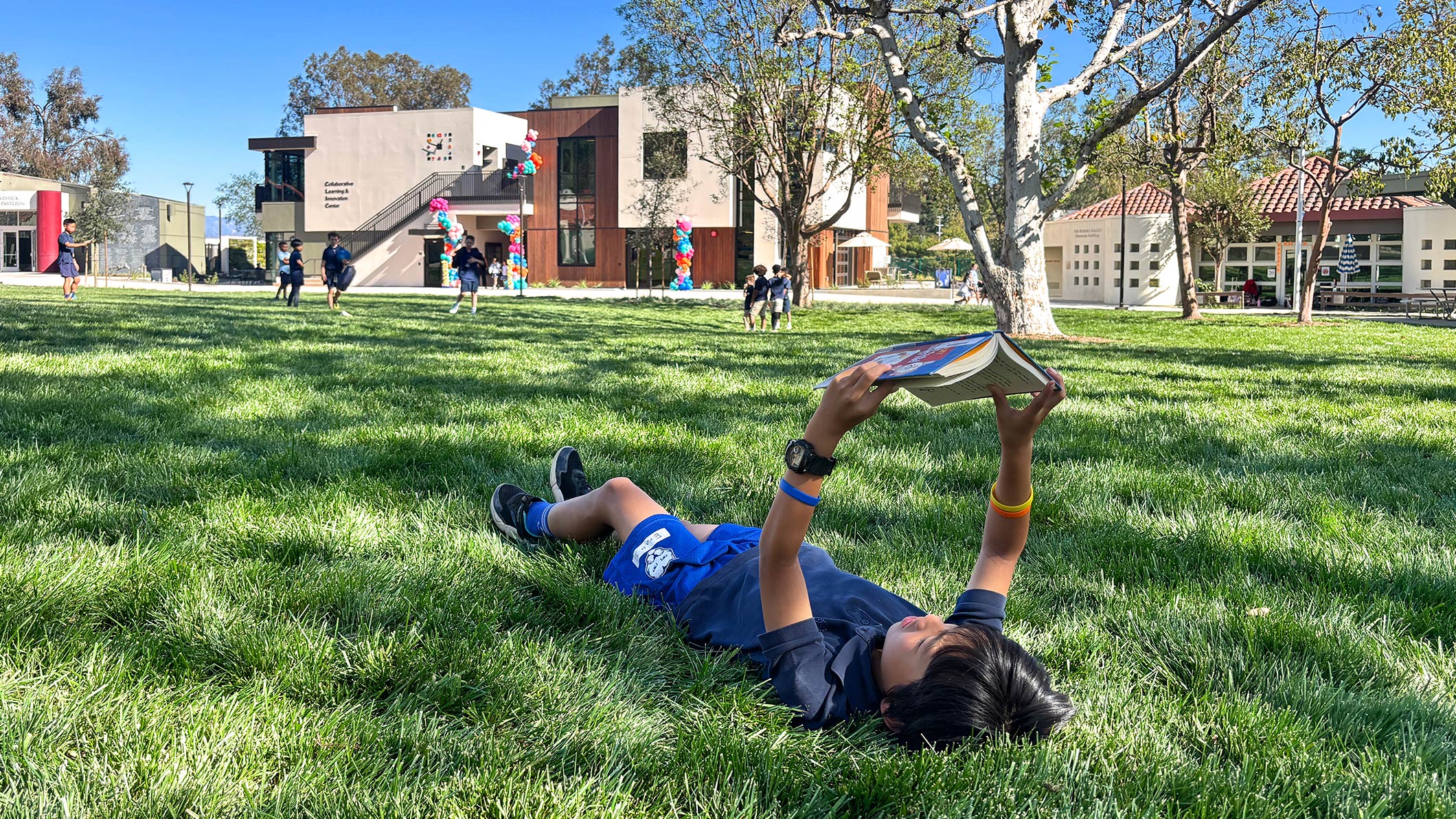
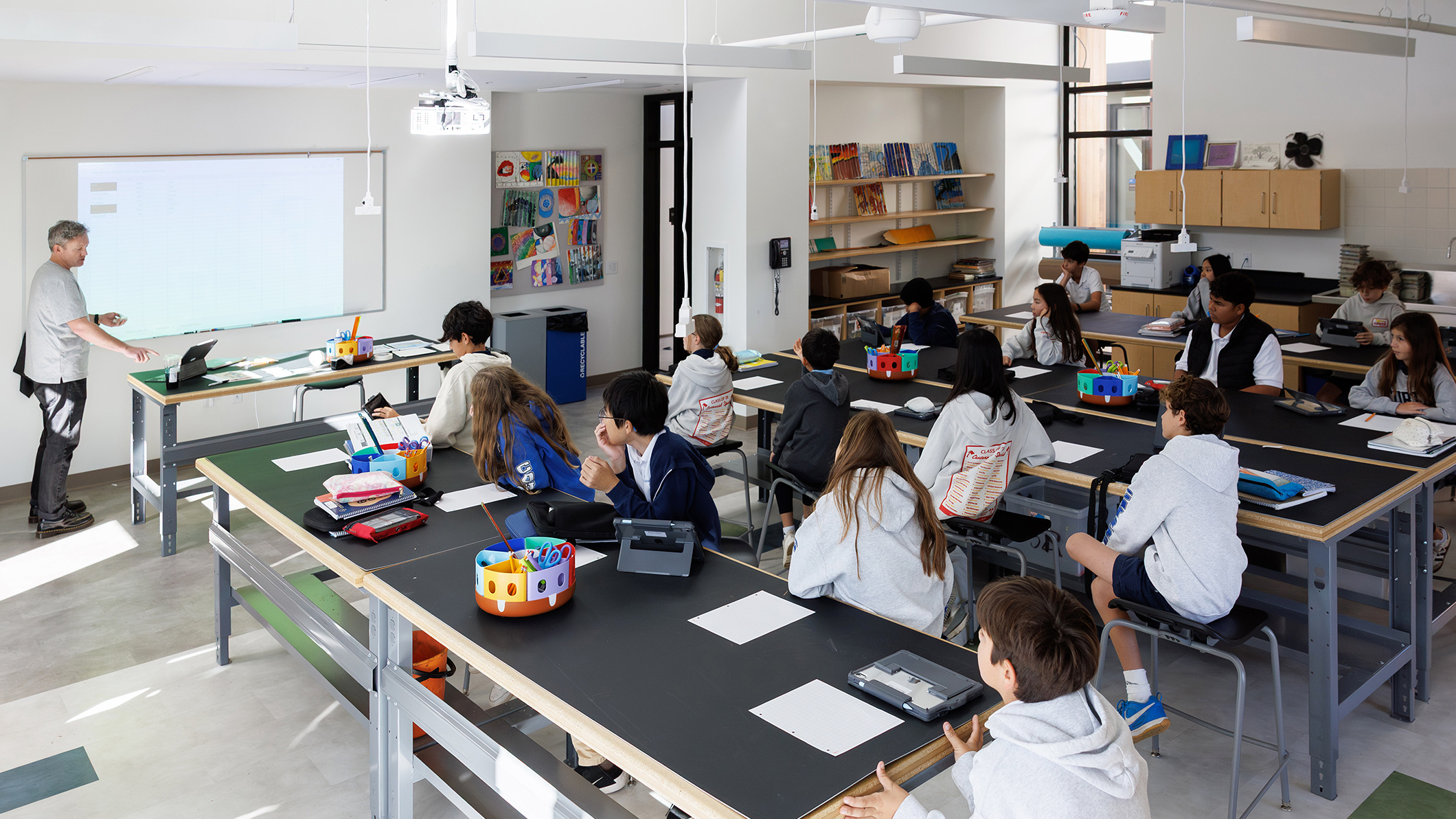

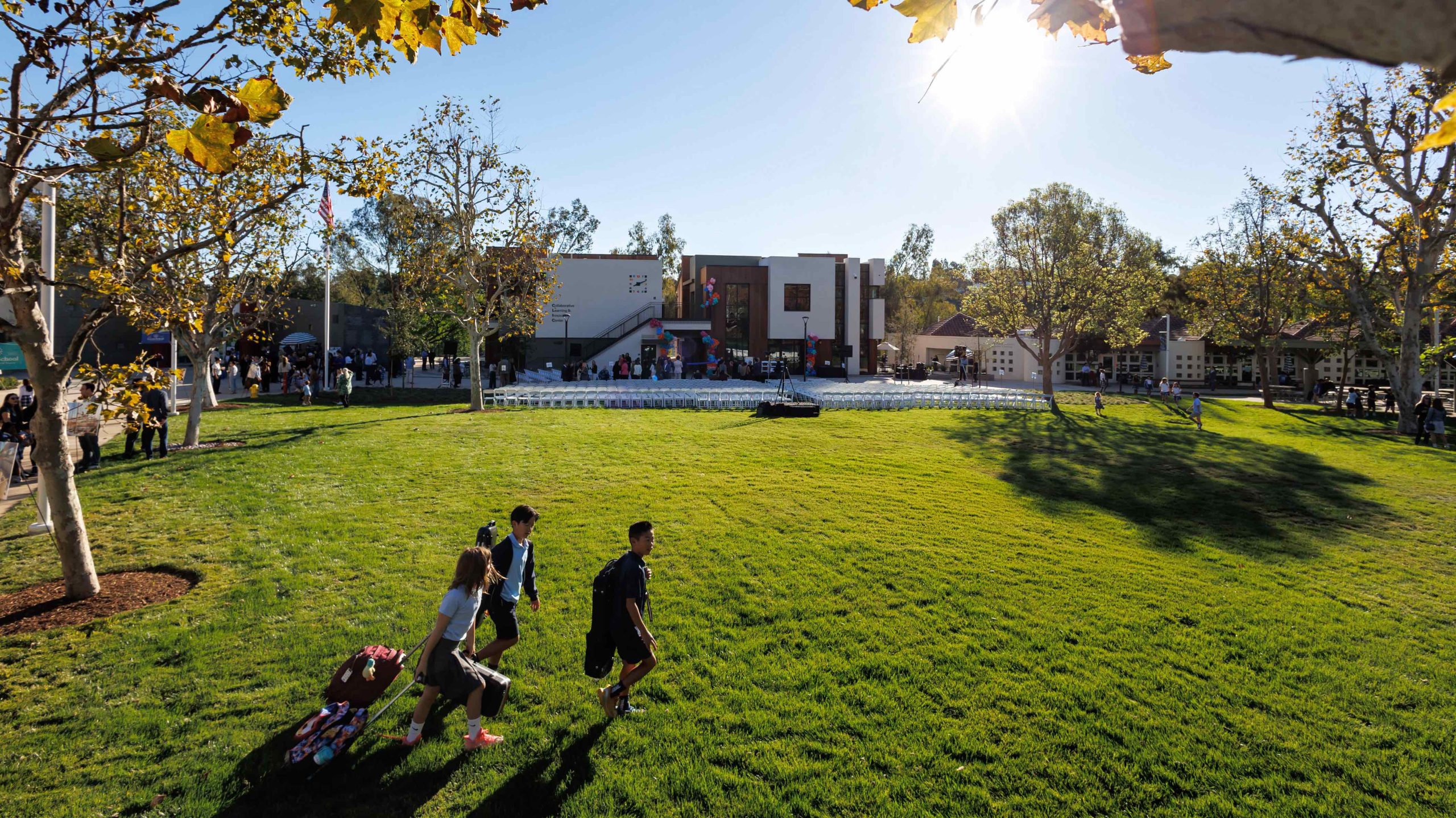

When should we begin thinking about our next facility project?
Begin before the need becomes urgent. The most successful projects start with a clear-eyed assessment of existing conditions, future program goals, constituency priorities, fundraising capacity, and likely phasing. A master plan gives leadership a practical roadmap—one that can guide near-term decisions while preserving flexibility for future growth.
How do we know whether we need a master plan, a feasibility study, or a focused renovation?
If the organization is weighing multiple needs across a campus, a master plan is usually the right first step. If one major project is already emerging but the best path is unclear, a feasibility study can compare options, costs, schedule impacts, and approvals. If the issue is immediate—such as aging systems, water damage, accessibility, lighting, acoustics, or worn interiors—a focused renovation may be the best way to stabilize operations while still aligning with a larger vision.
What should we do first if we have an immediate facility problem?
Start with an assessment. Understand the extent of the problem, determine what must be repaired or replaced, and identify whether the work will trigger code, life-safety, accessibility, or infrastructure upgrades. Immediate action does not have to mean short-sighted action; even urgent repairs can become opportunities to improve how a building welcomes, teaches, gathers, serves, or performs.
2. Process and Decision-Making
Who should be involved in the early planning process?
Leadership should be engaged from the start, but successful planning also benefits from the voices of those who use the campus every day. Administrators, faculty, staff, students, parents, parishioners, ministry leaders, donors, and neighbors may each see different needs. Early listening sessions, focus groups, and design charrettes help turn competing priorities into a shared direction.
How long does a facility project usually take?
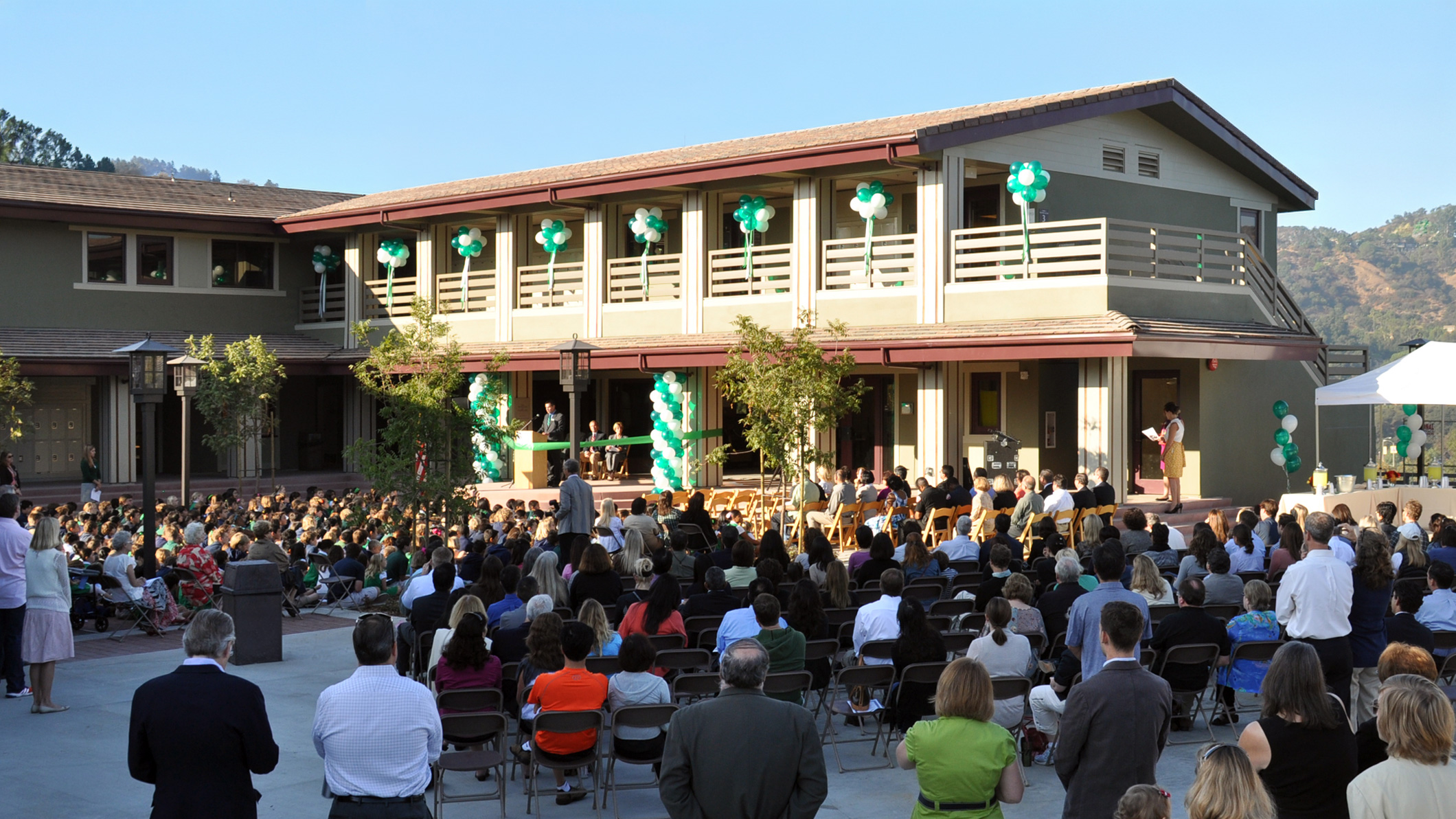
Timing depends on scope, funding, permitting, entitlement approvals, phasing, and construction complexity. Some renovations can be completed within a summer or academic break; major campus projects often require years of planning, fundraising, approvals, and phased construction. The earlier a realistic schedule is created, the easier it is to coordinate operations, communications, and donor engagement.
How do we make sure the project reflects our mission rather than just adding space?
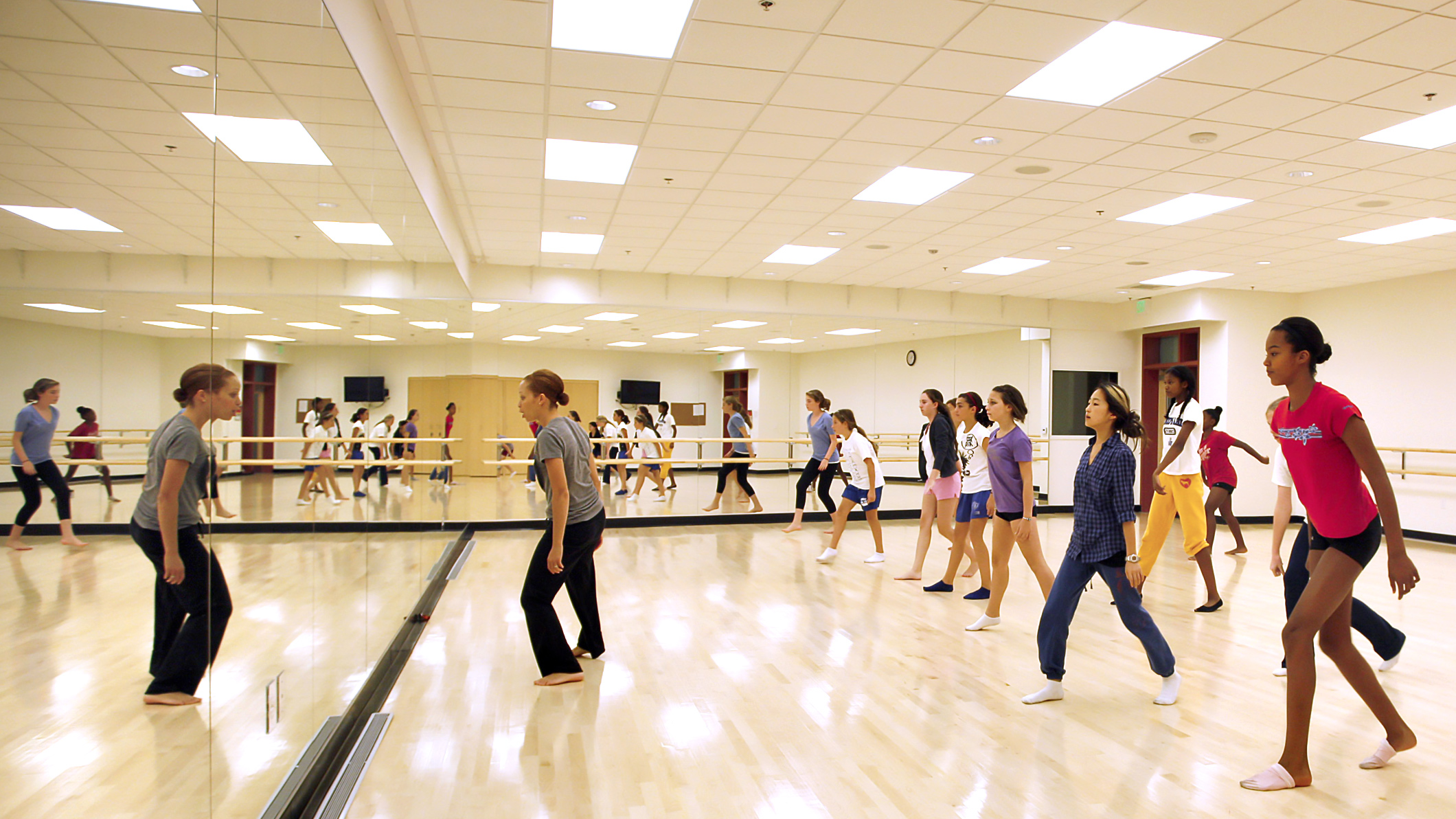
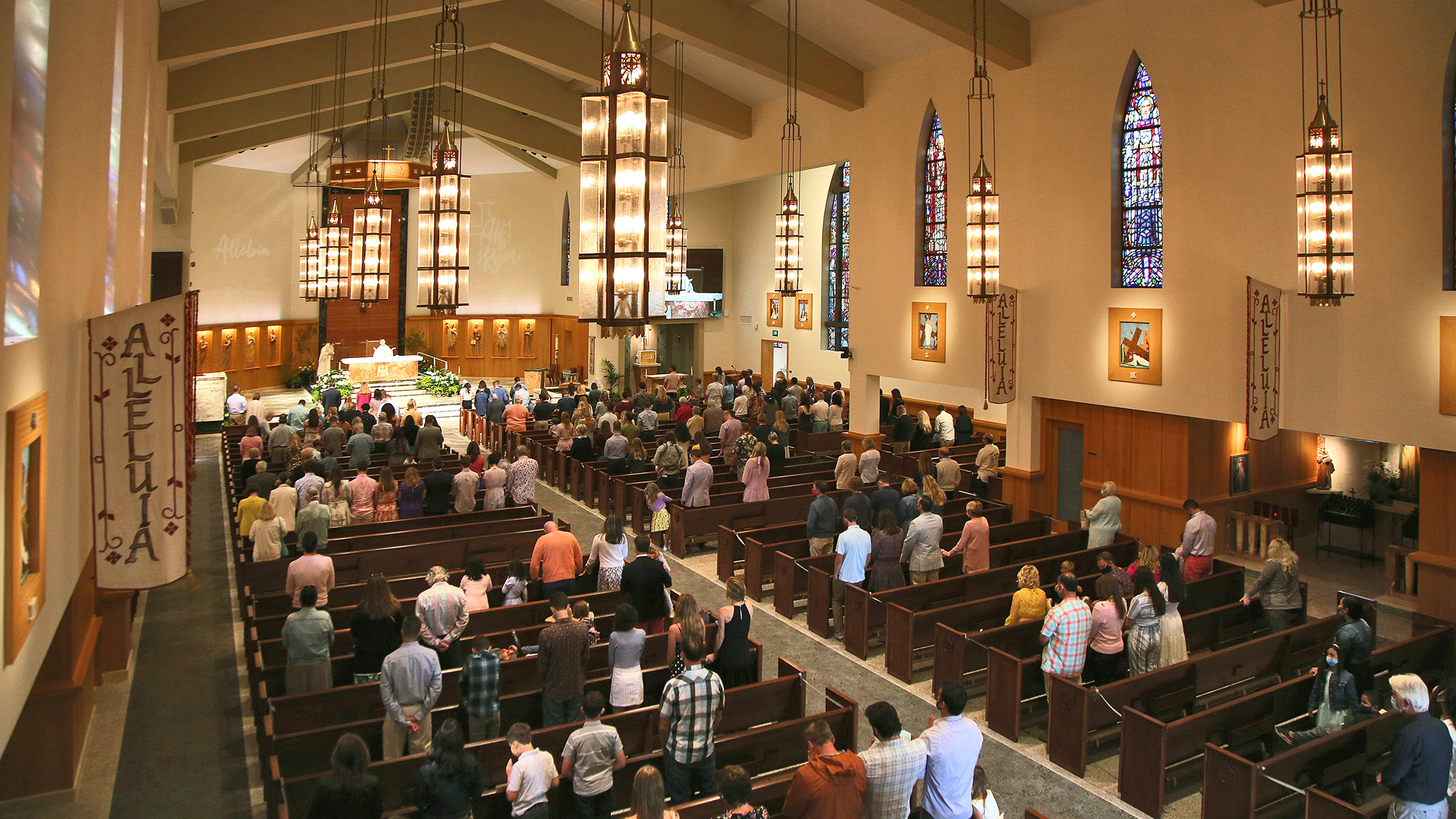
Begin with program, not form. The best facilities are shaped by the organization’s mission: how students learn, how parishioners gather, how ministries serve, how athletes train, how artists perform, or how a community connects. Thoughtful planning translates these aspirations into spaces that are purposeful, flexible, and appropriately scaled to their setting.
3. Budget, Fundraising, and Approvals
What should be included in our early project budget?
Look beyond construction cost. A realistic project budget should include hard costs, soft costs, permitting, consultants, surveys, soils reports, inspections, testing, furnishings, equipment, technology, signage, donor recognition, move-in expenses, and contingency. Identifying these line items early helps avoid surprises when the building is ready but the tools, furniture, or systems needed to operate it have not been funded.
When should fundraising be connected to planning?
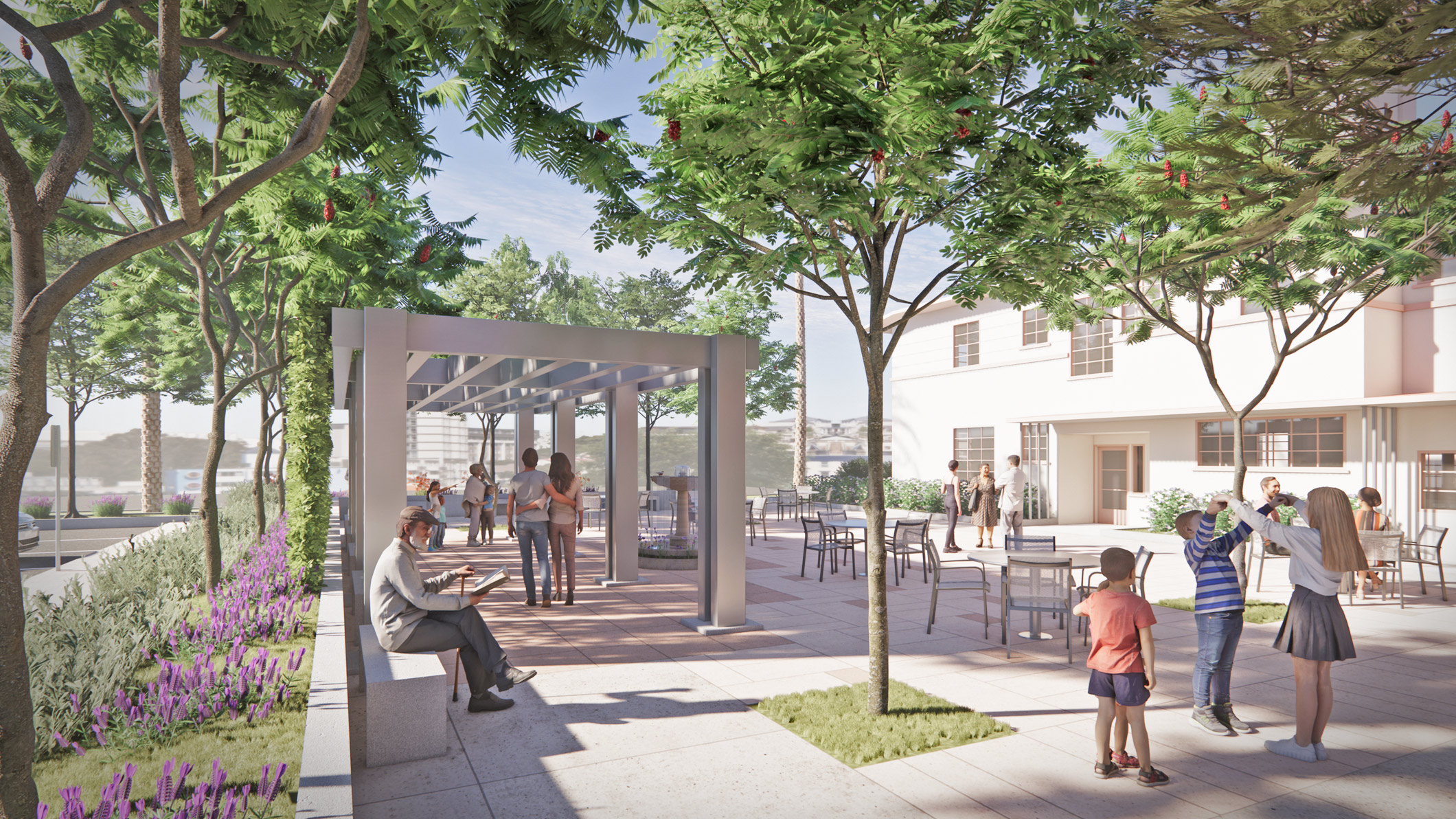
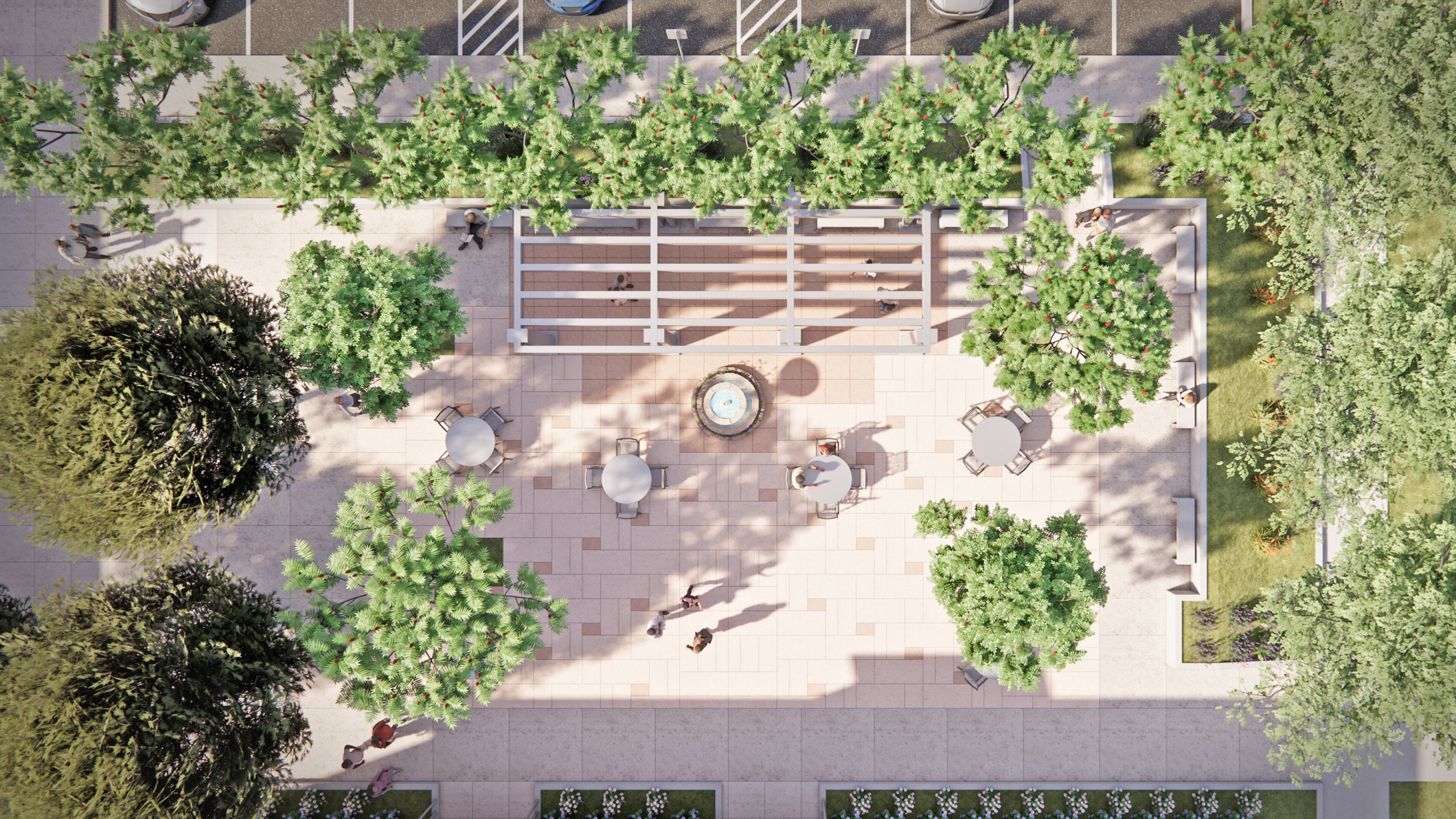
Fundraising should begin to take shape during the needs assessment and concept phases. Early planning helps donors understand the vision, see their role in advancing it, and build ownership before final design decisions are made. Clear priorities, compelling visuals, and phased options can support a campaign that is both aspirational and achievable.
When should we begin talking to neighbors or local agencies?
Well before an application is filed. Projects that affect parking, traffic, noise, events, or neighborhood character benefit from proactive outreach. Appointing a community relations representative, sharing calendars, listening to concerns, and building trust before entitlement review can make the approval process more constructive and less adversarial.
4. Design Strategy
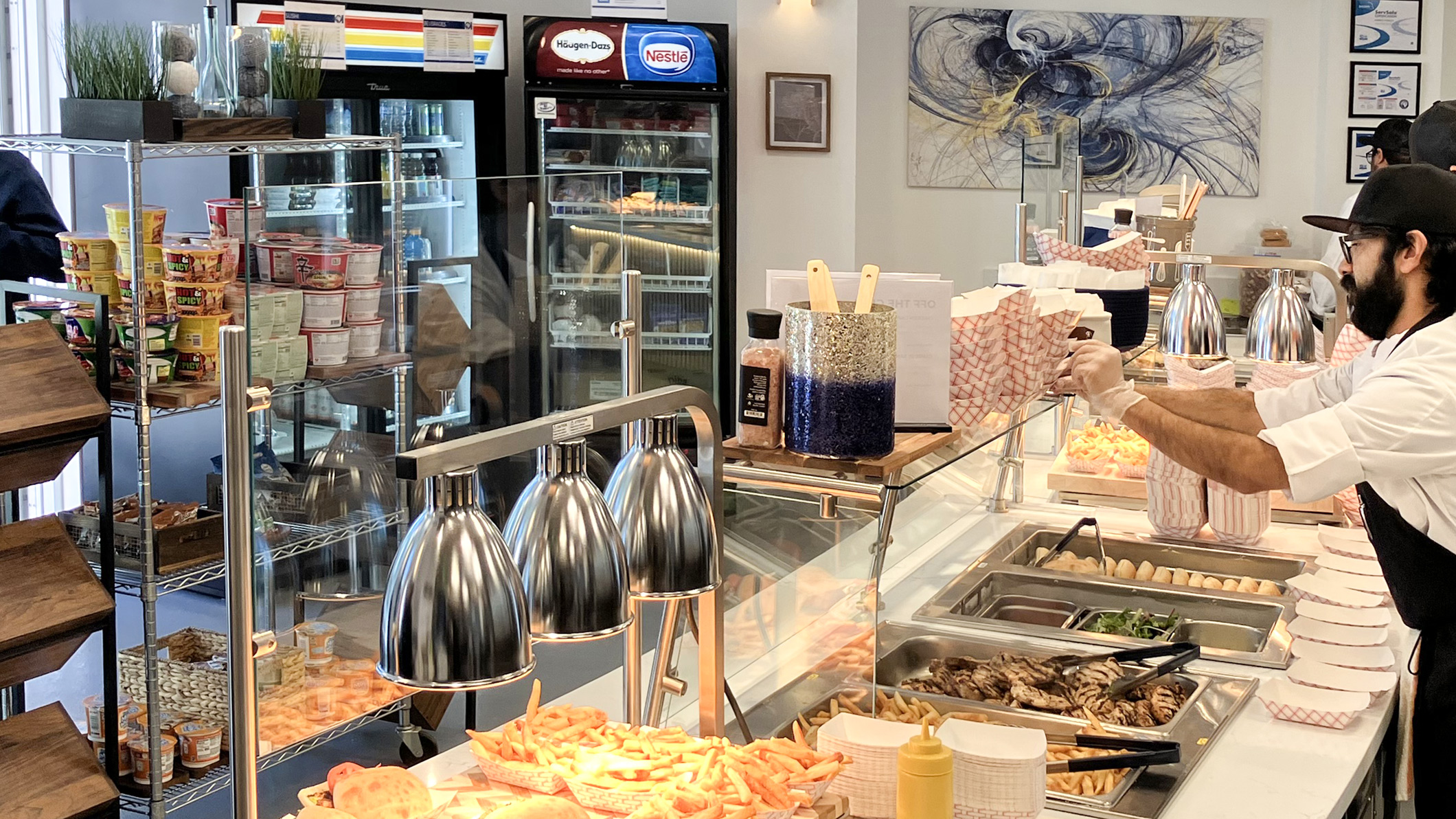
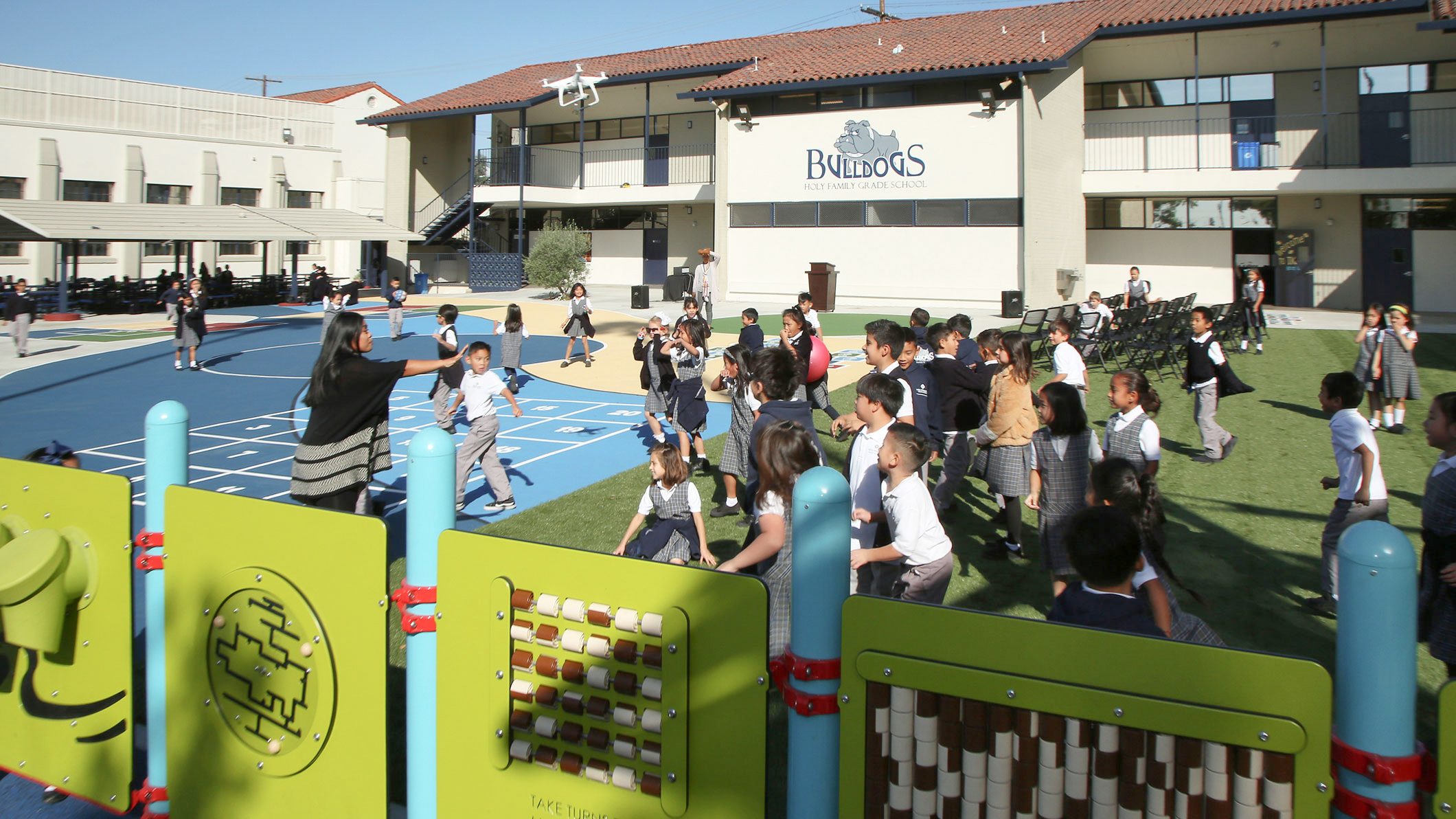
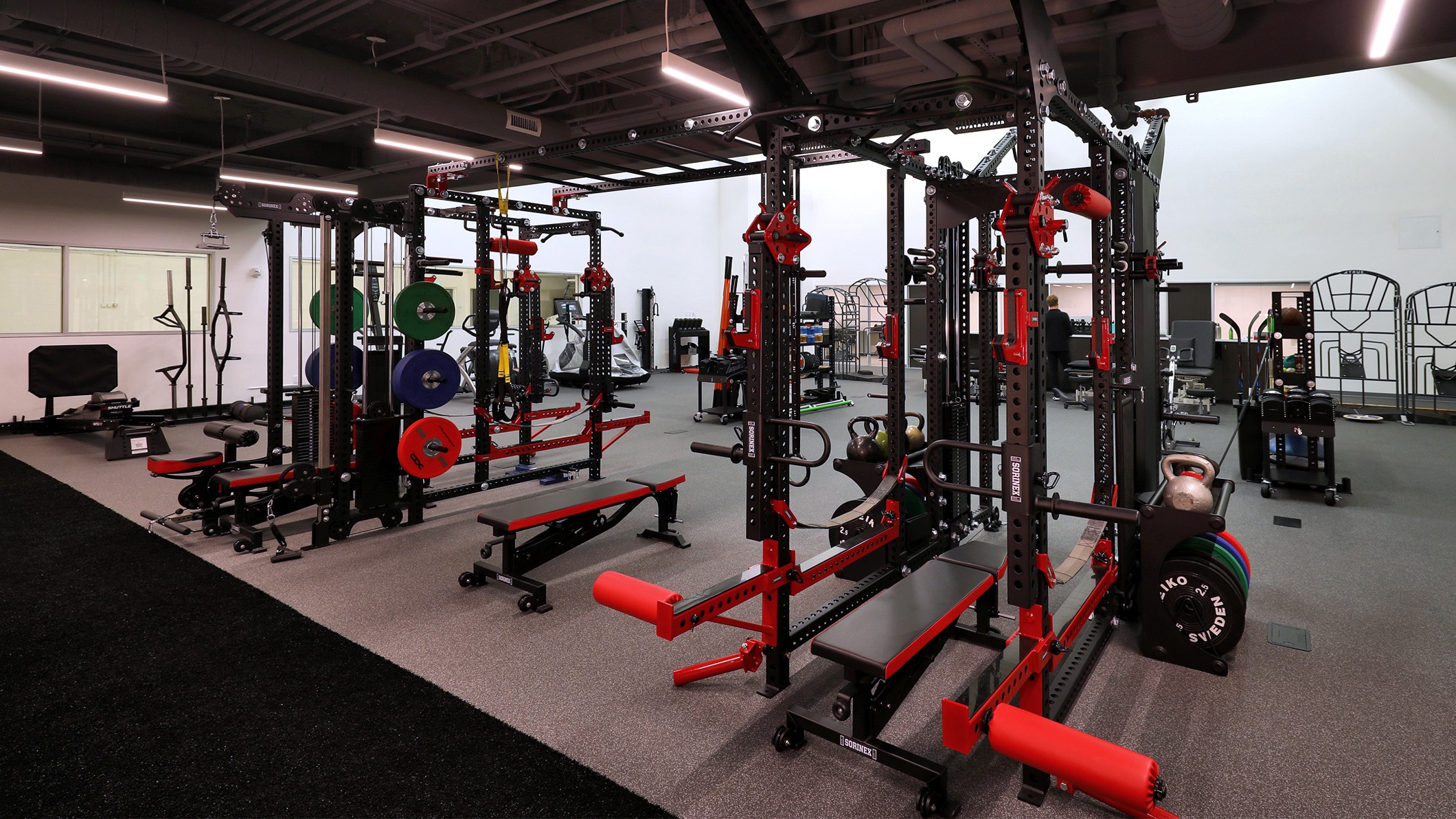
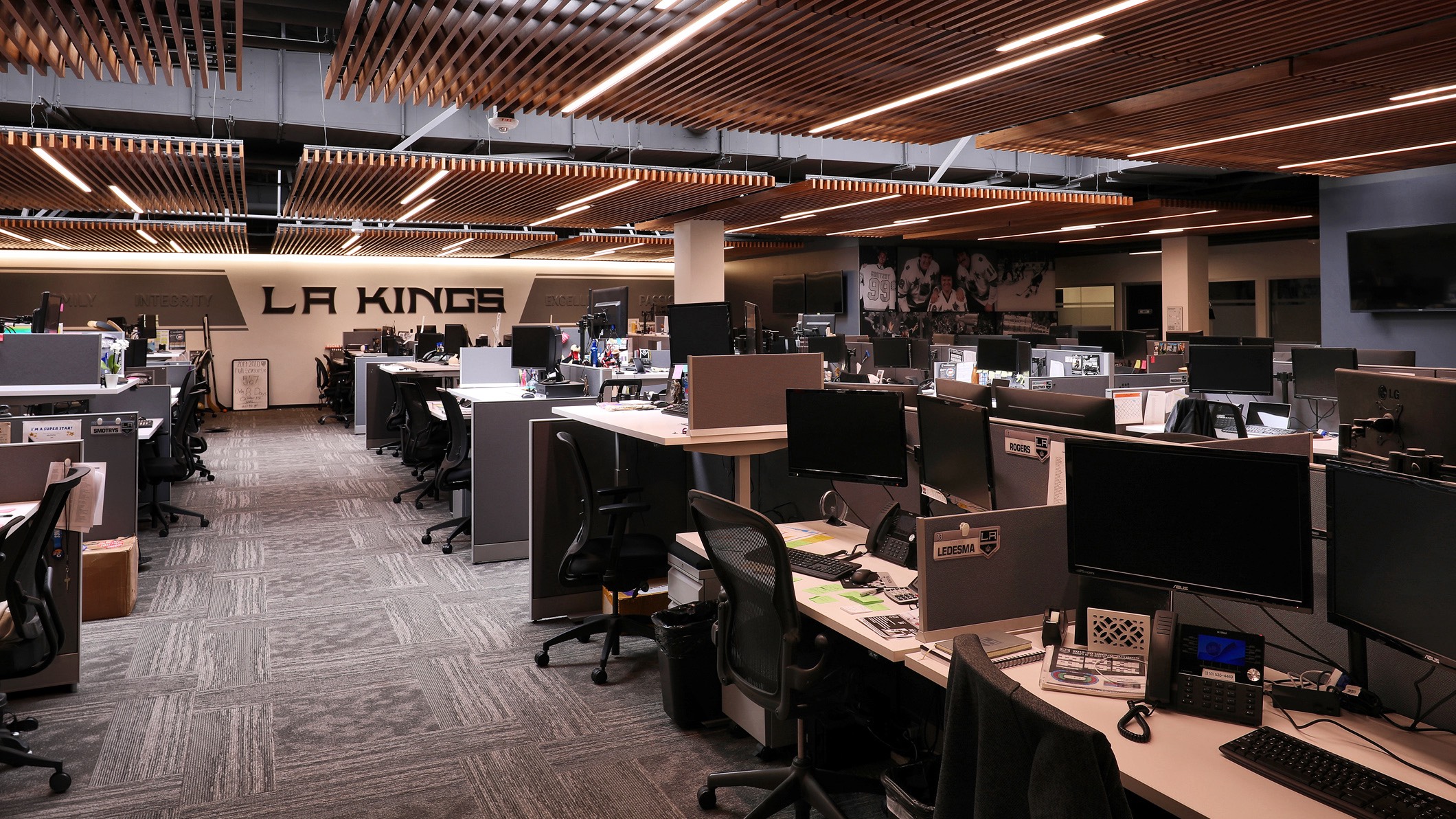
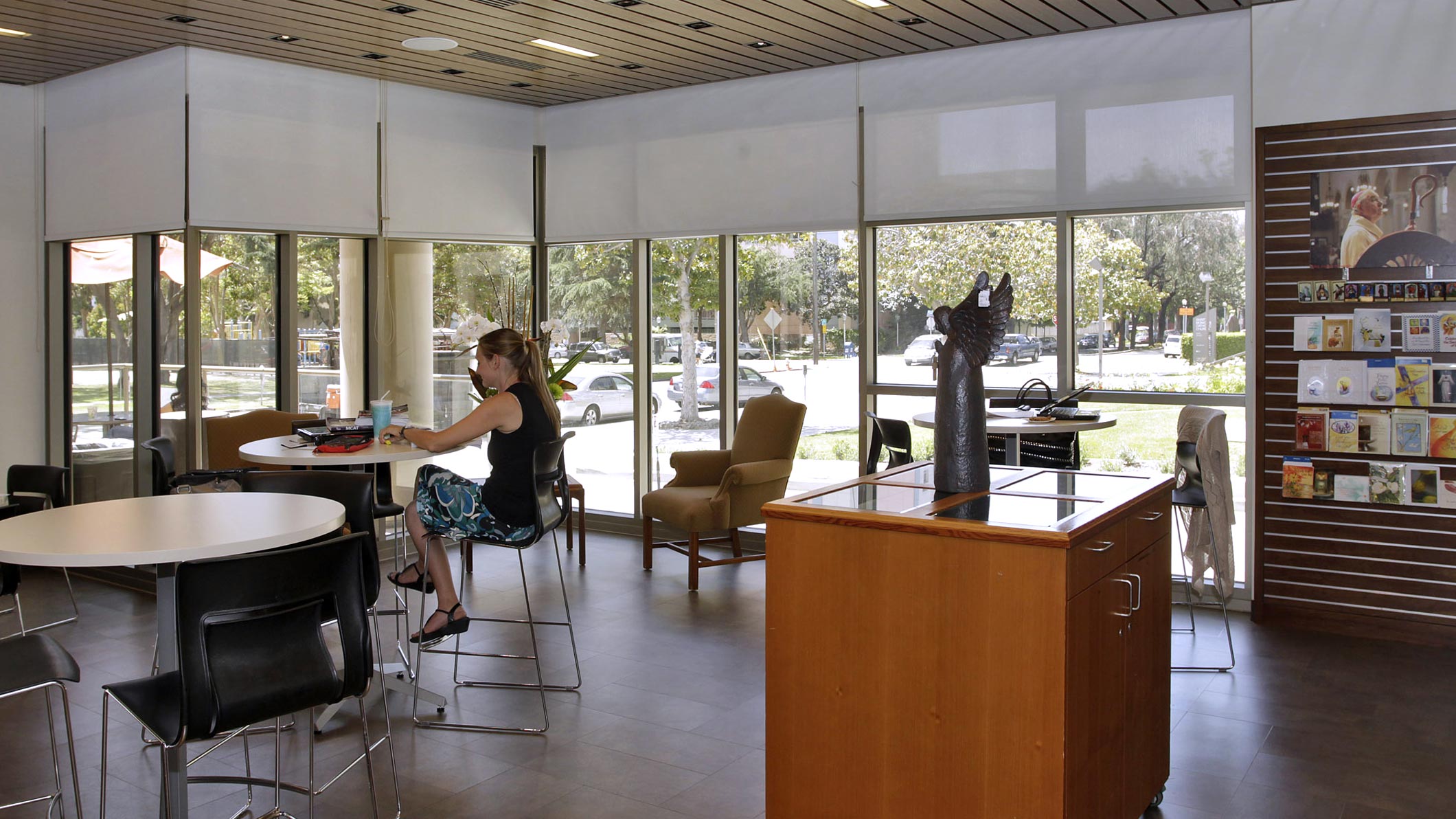
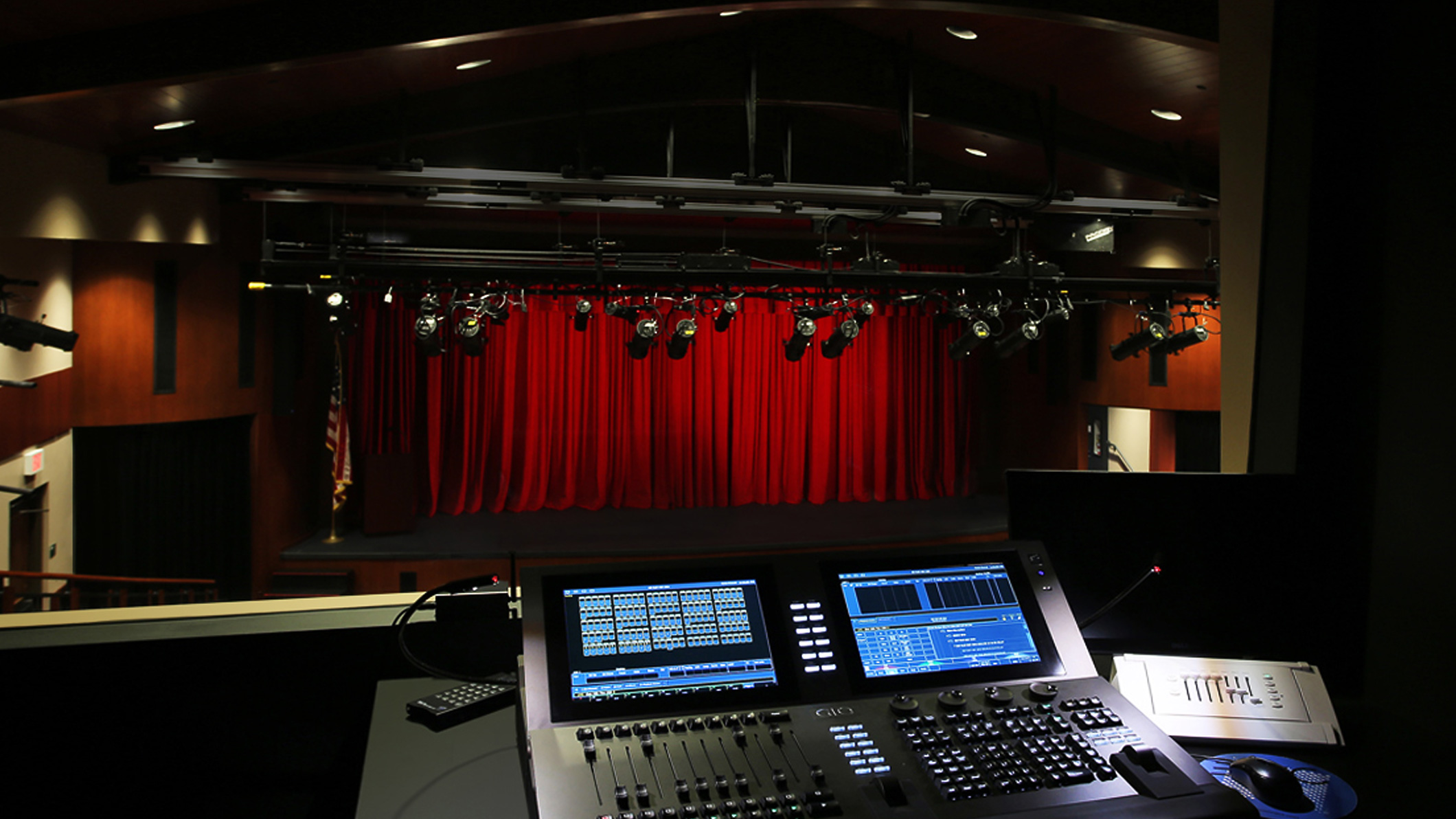
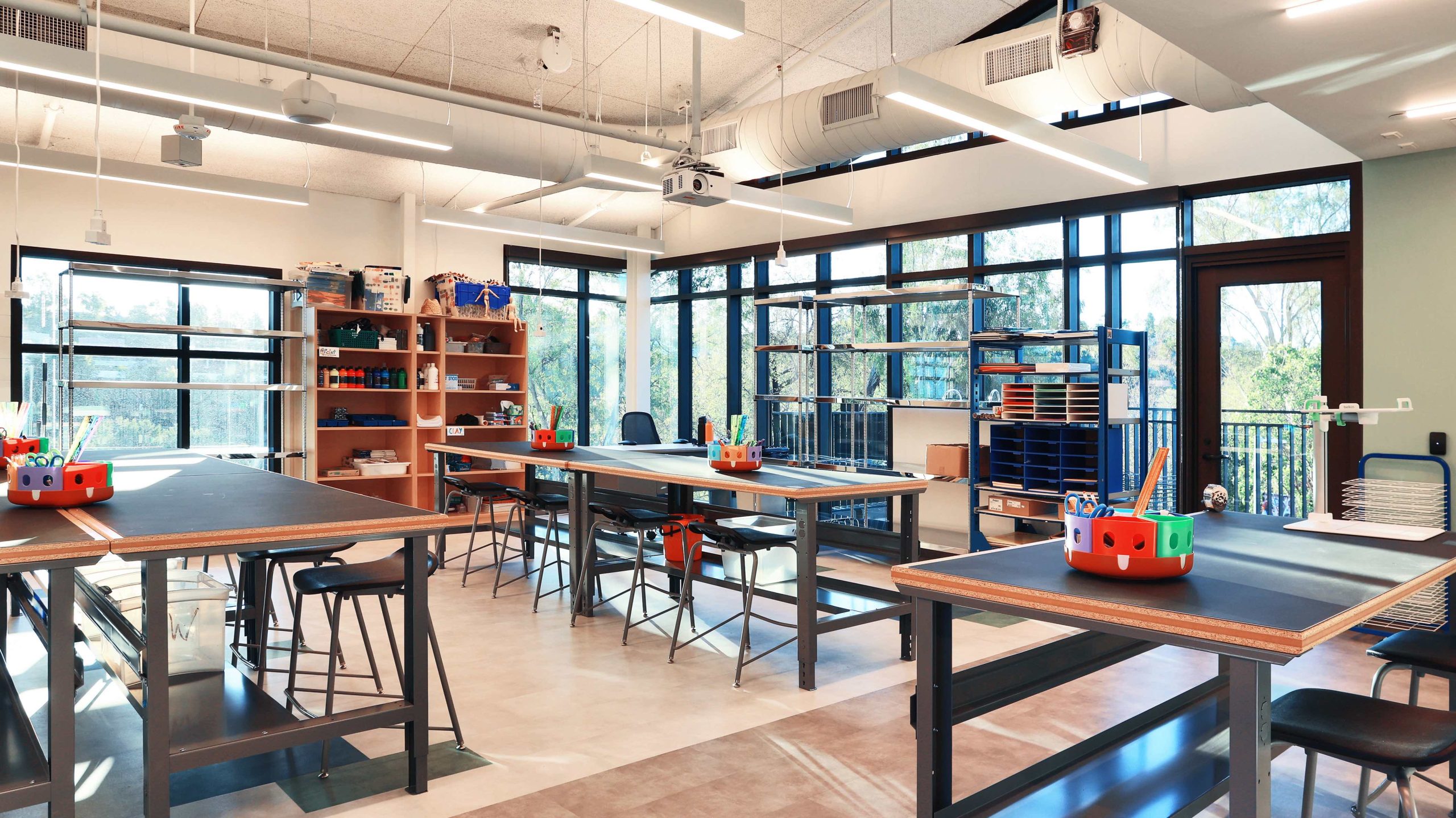
How can existing buildings be transformed for current programs?
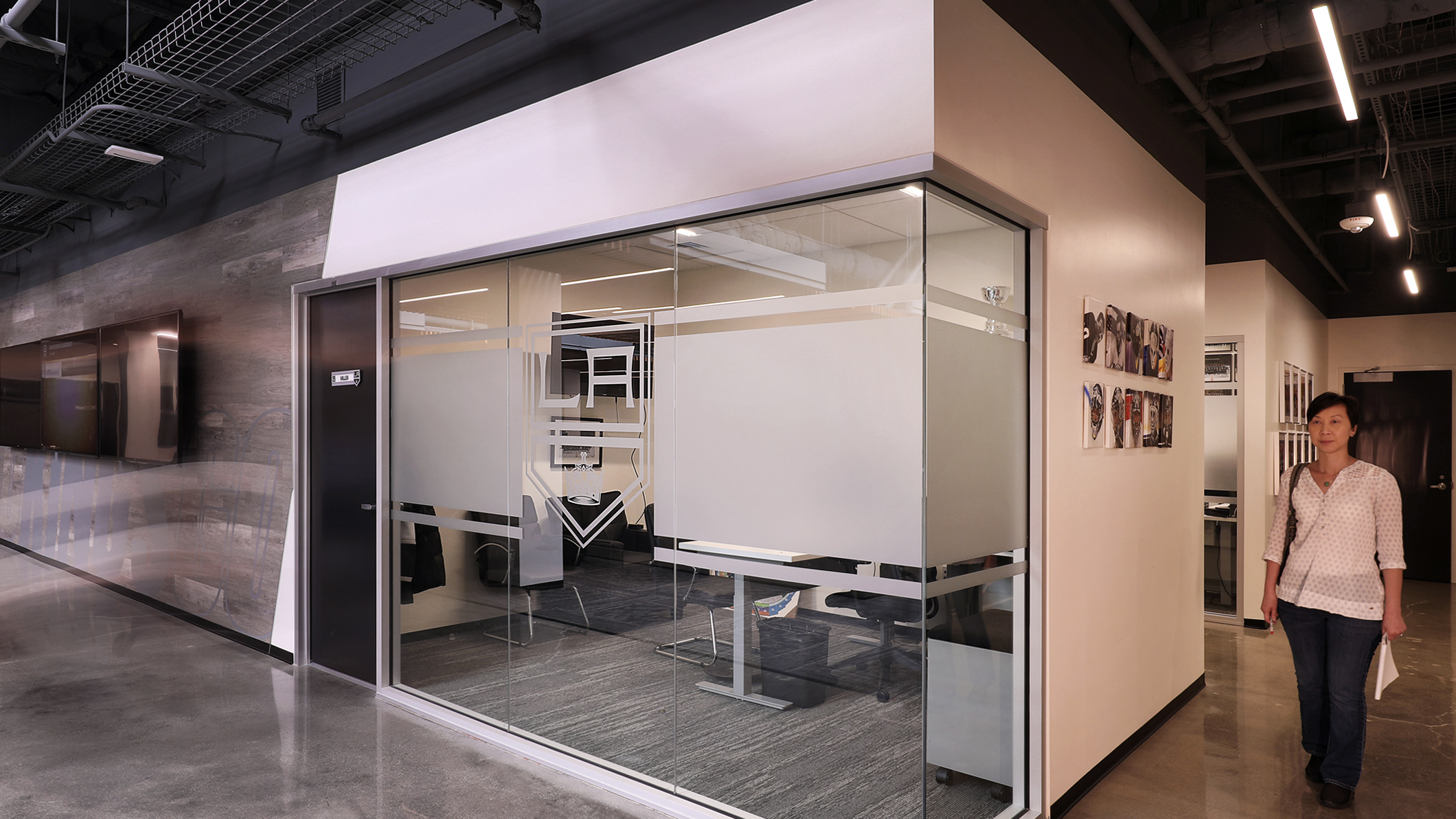
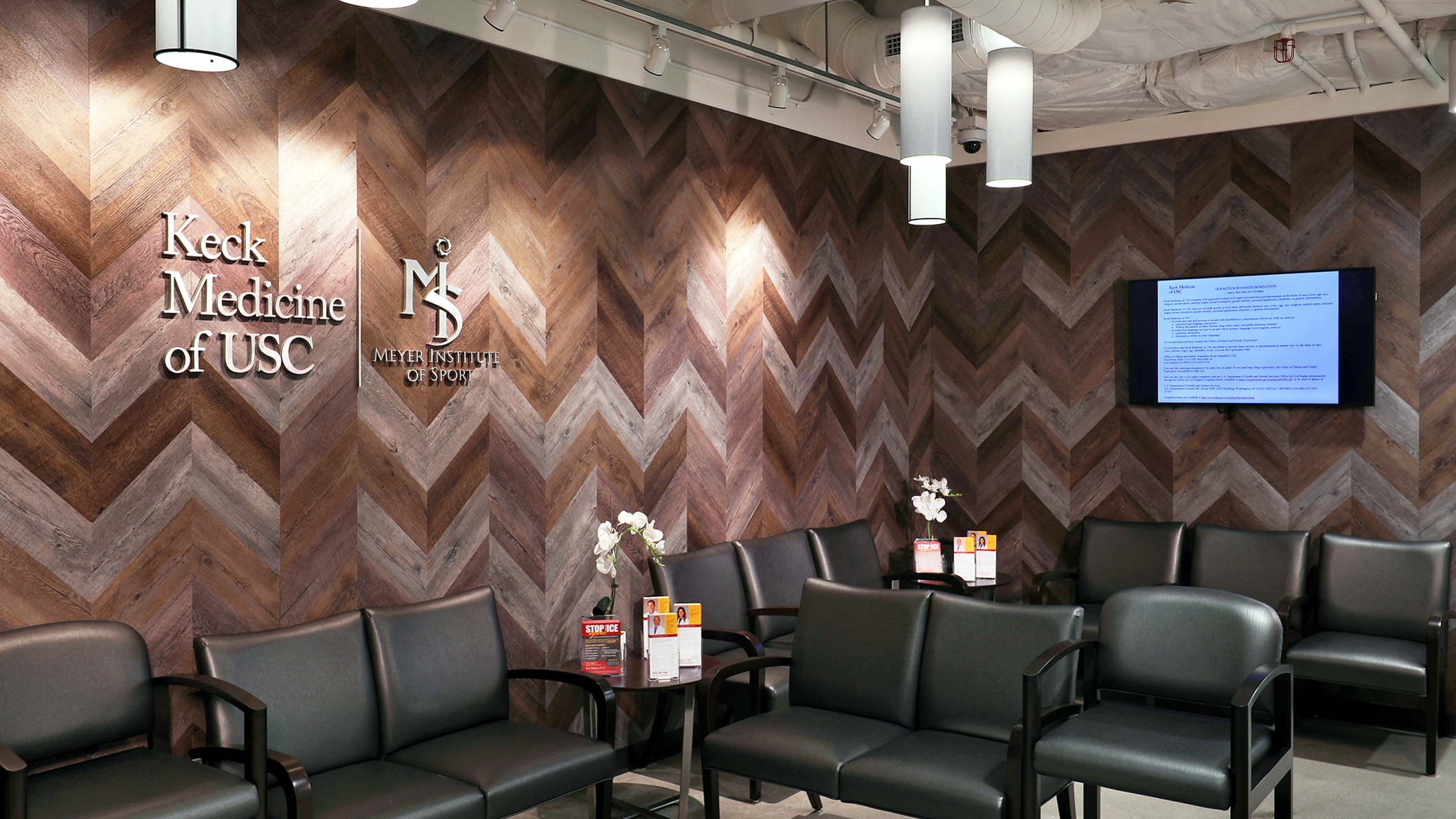
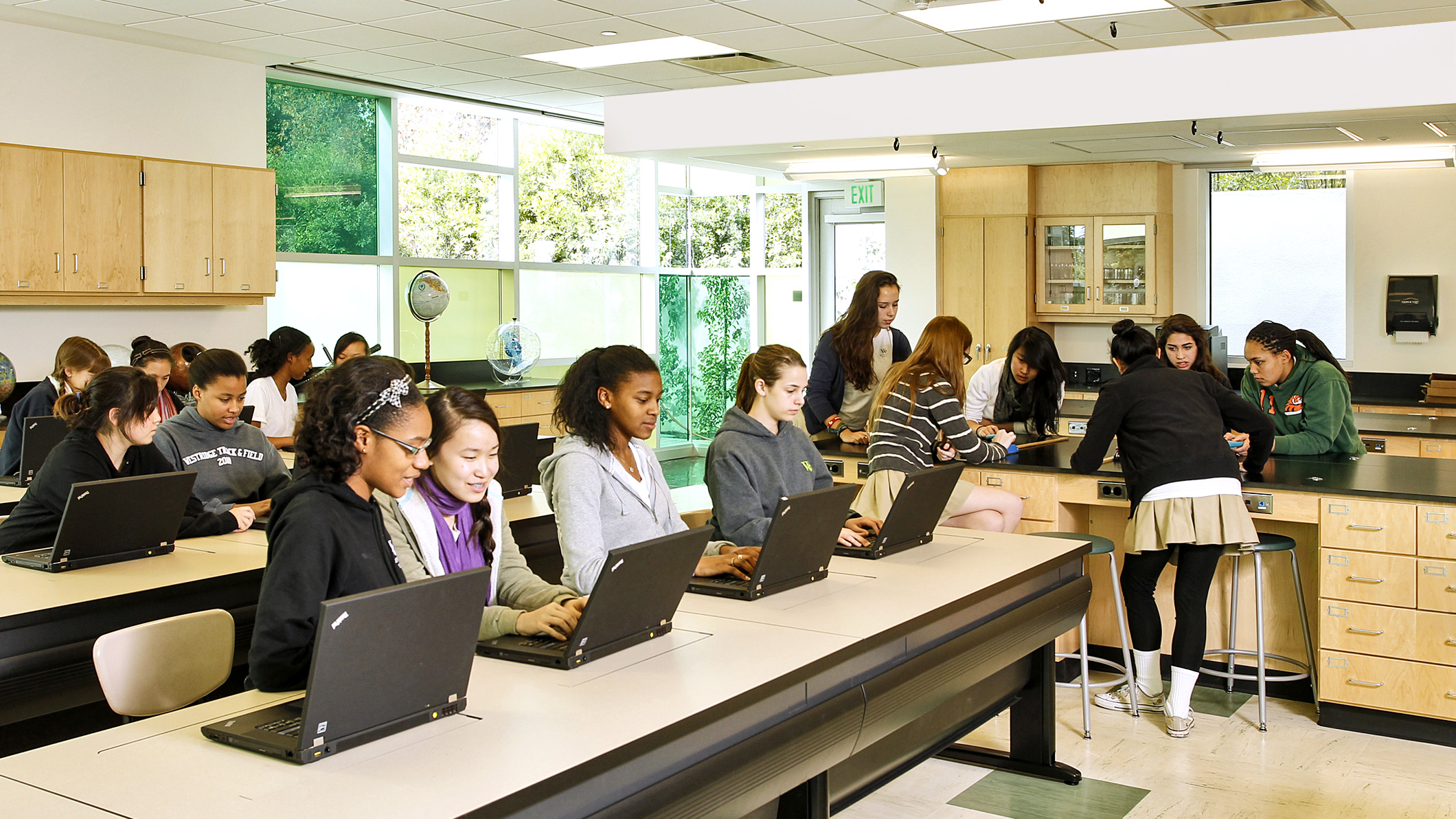
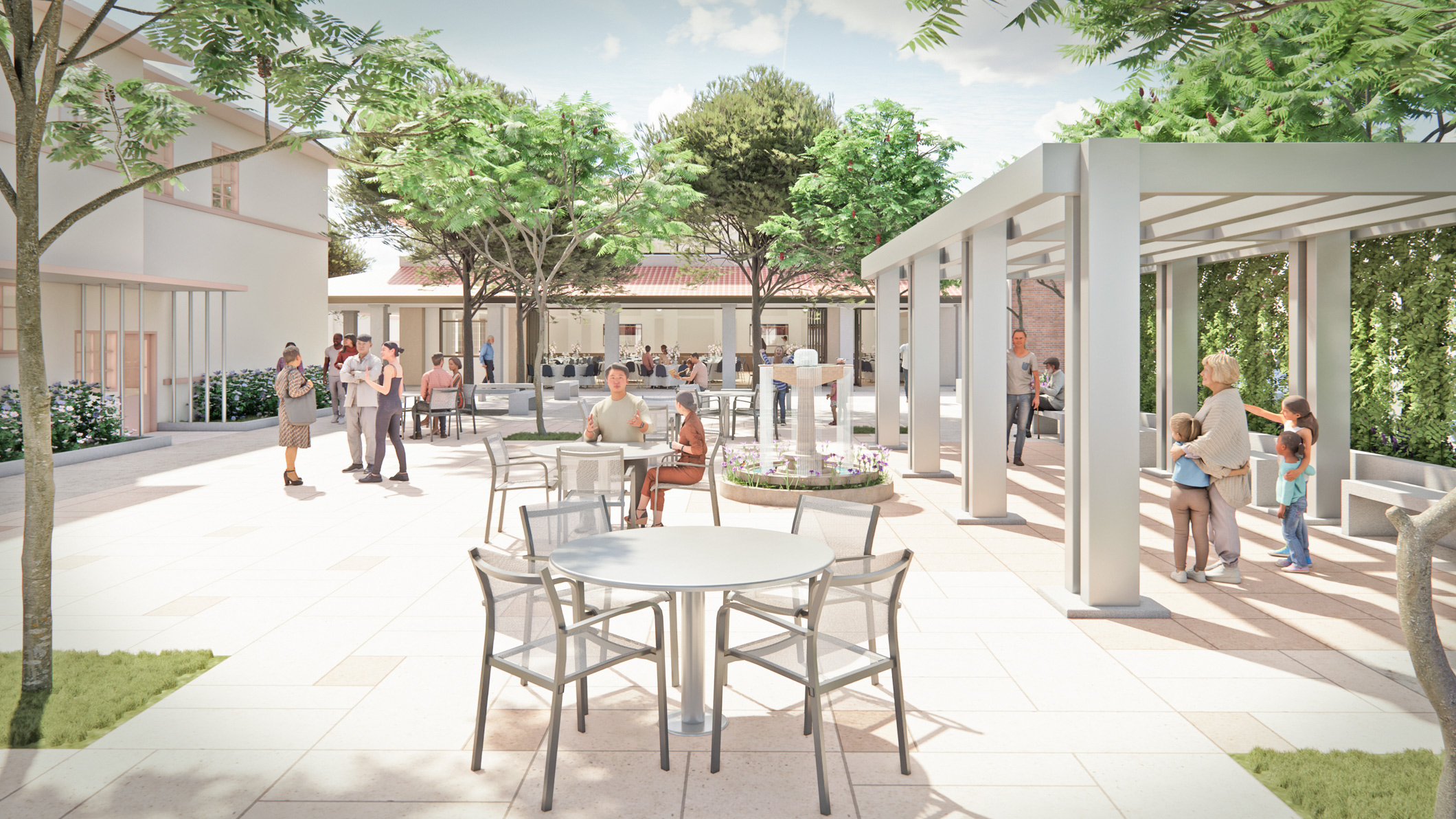
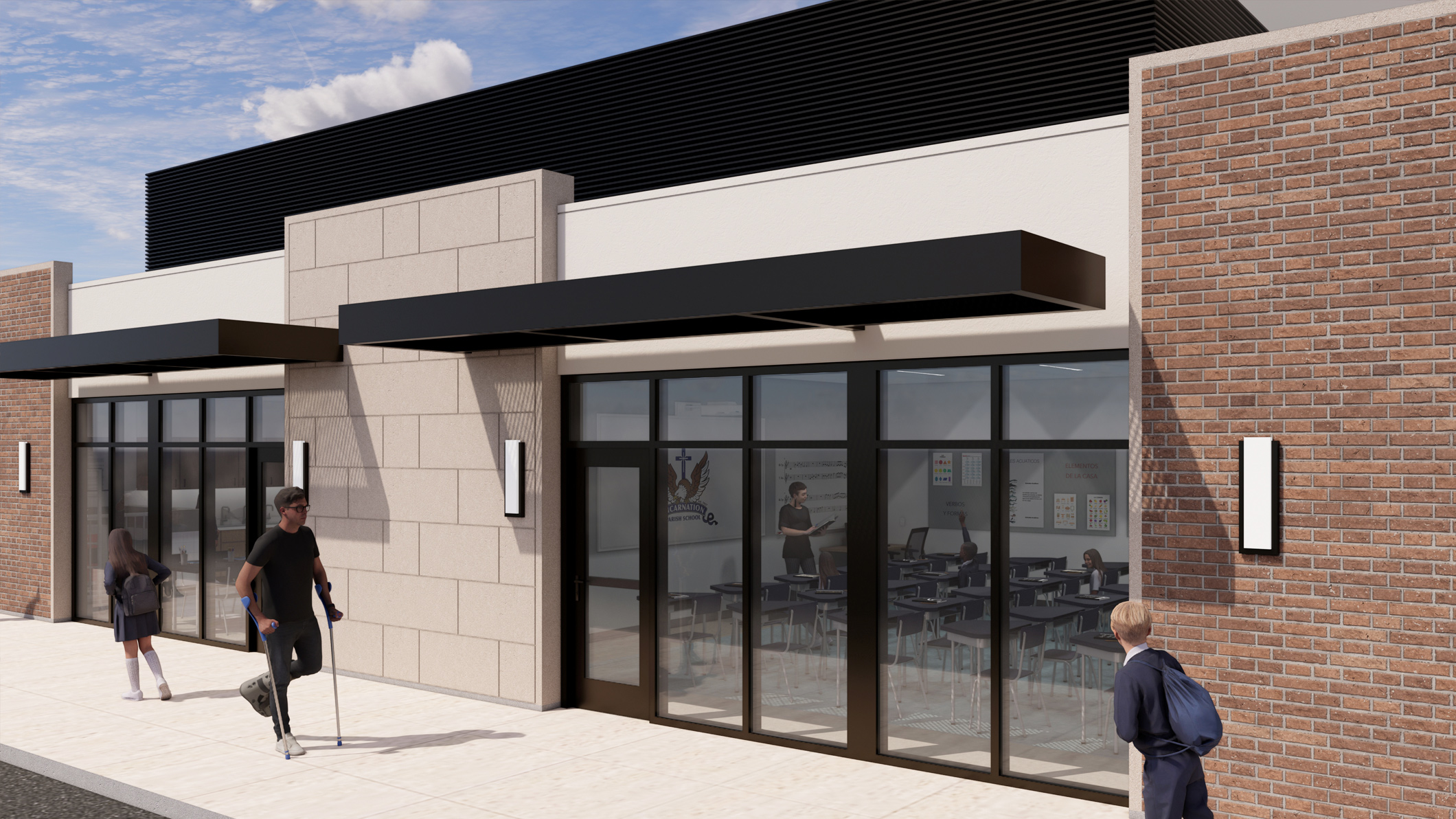
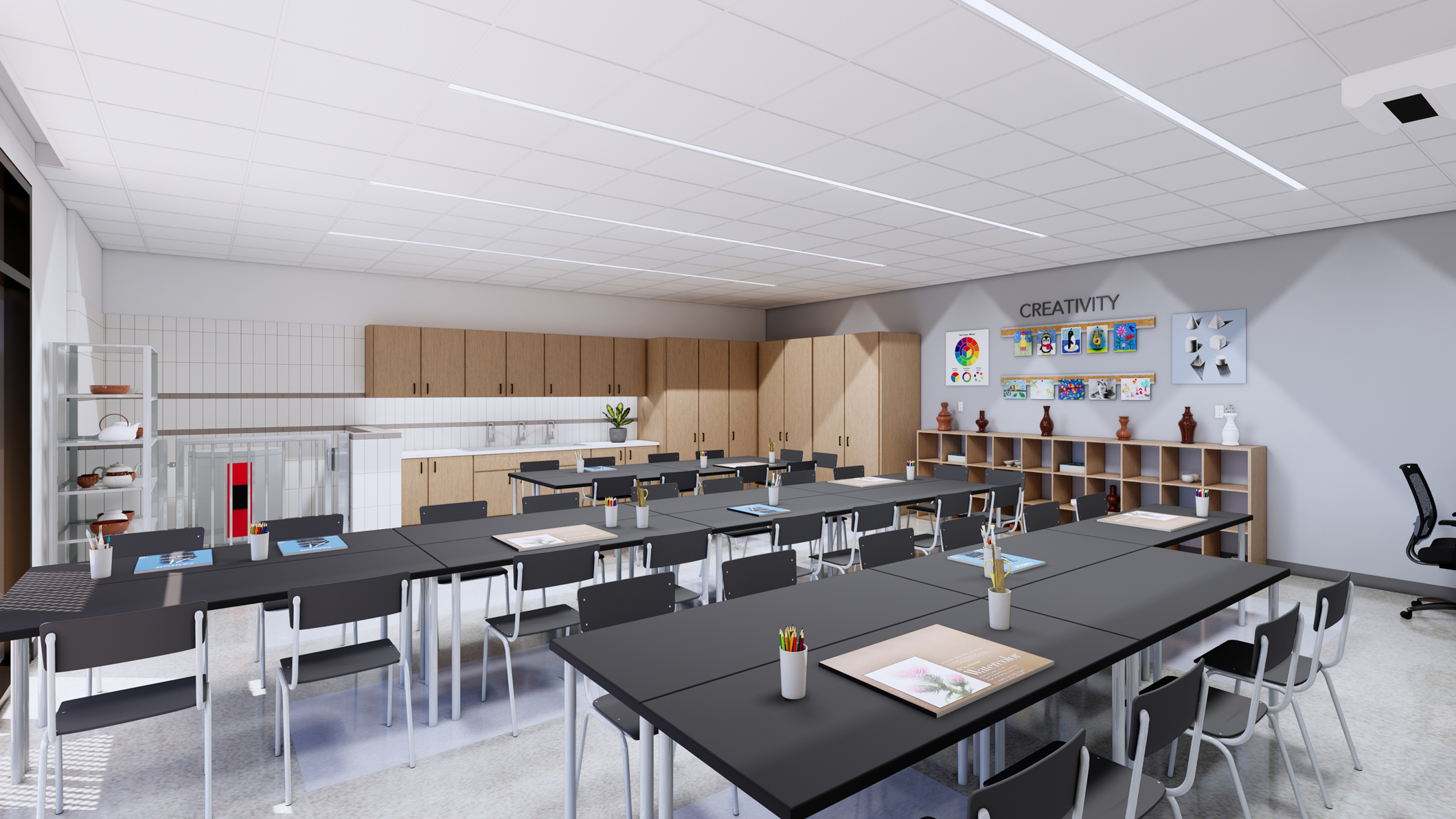
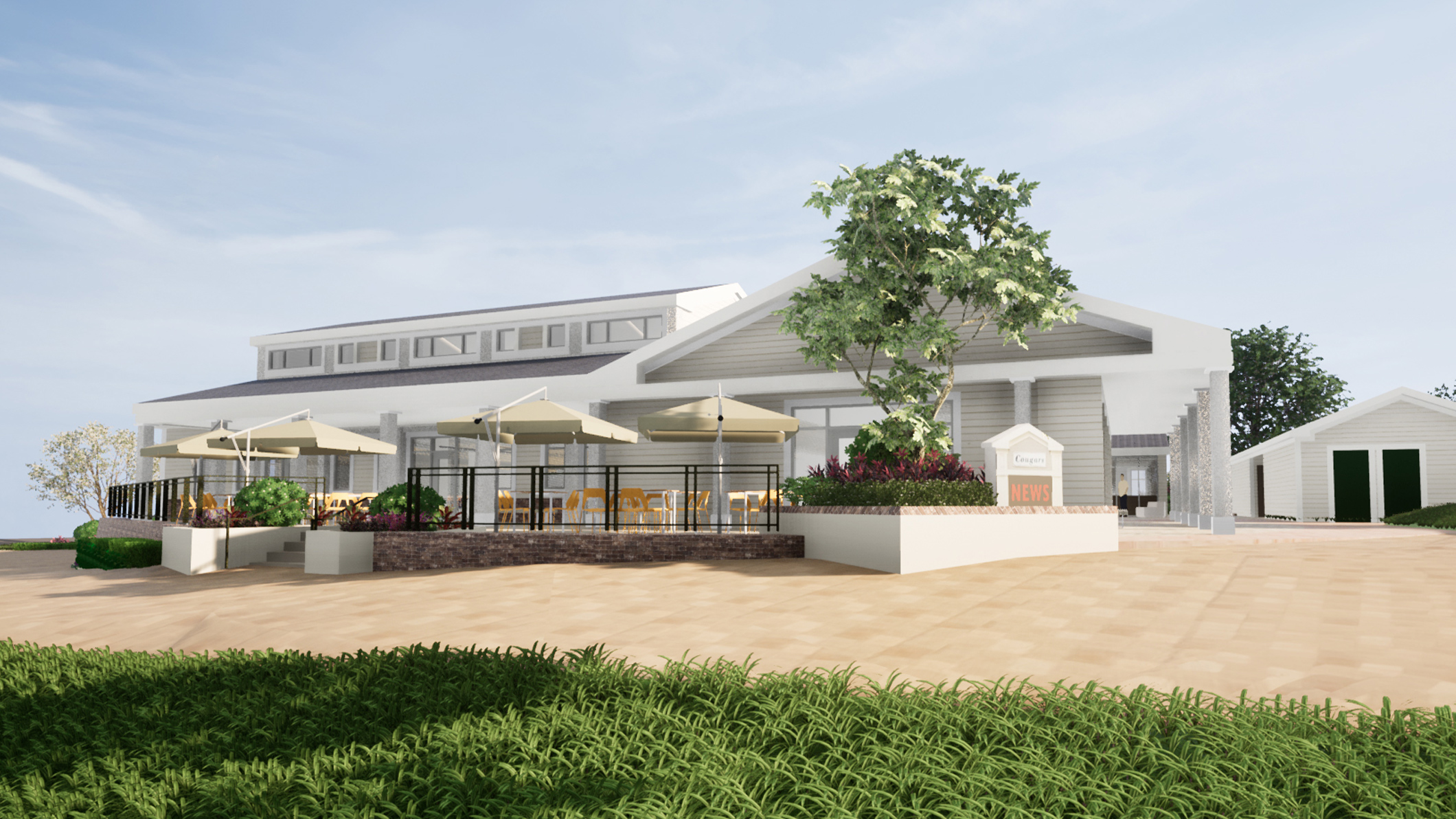
Many older facilities were designed for programs, technology, accessibility standards, and teaching methods that have changed substantially. Renovation can modernize infrastructure, improve acoustics and lighting, support hands-on learning, create welcoming entries and gathering areas, and tailor rooms for more specific uses—without losing the character or history that gives a campus meaning.
How should we balance immediate needs with future growth?
Treat each project as part of a larger sequence. A repair, renovation, new building, or site improvement should solve the urgent problem while protecting future opportunities. Phasing, interim operations, infrastructure capacity, and long-term program goals should be considered together so today’s investment strengthens tomorrow’s options.
What makes a facility project successful after opening day?
A successful project does more than complete construction. It improves daily operations, supports the mission, welcomes the broader community, reduces long-term burdens, and gives the organization room to adapt. The best outcomes come from a disciplined process: understand the need, listen carefully, plan strategically, budget realistically, communicate early, and build with purpose.
Contact Us
145 S Fairfax Ave Suite 403
Los Angeles, CA 90036
Phone: 323 653 7124


Copyright © 2026 Pica + Sullivan Architects.
All rights reserved.